Email marketing remains one of the most powerful tools for businesses to engage directly with their customers. Whether you’re just starting out or looking to refine your current strategy, this ultimate guide will walk you through everything you need to know to harness the power of email marketing. Let’s dive into why email marketing is crucial for your business success and how you can make the most of it.
Why is Email Marketing Important?
1. Data Collection
One of the primary benefits of email marketing is the ability to collect data that can be analyzed to improve your campaigns. Each email you send gives you access to open rates, click-through rates, and conversion data. With this information, you can refine your approach to meet your customers’ needs more effectively.
2. Inbound Marketing
Email marketing plays a critical role in inbound marketing strategies. By sending out informative, valuable content, you can attract new leads and nurture them through the sales funnel. It’s a perfect tool for keeping potential customers engaged with your brand over time.
3. Personalization
Personalization is a huge advantage of email marketing. Whether you’re offering a tailored product recommendation or sending a birthday discount, personalized emails tend to perform better. By using customer data effectively, you can send relevant messages that resonate with your audience, leading to higher engagement and conversion rates.
How Do You Build and Grow Your Email Marketing Lists?
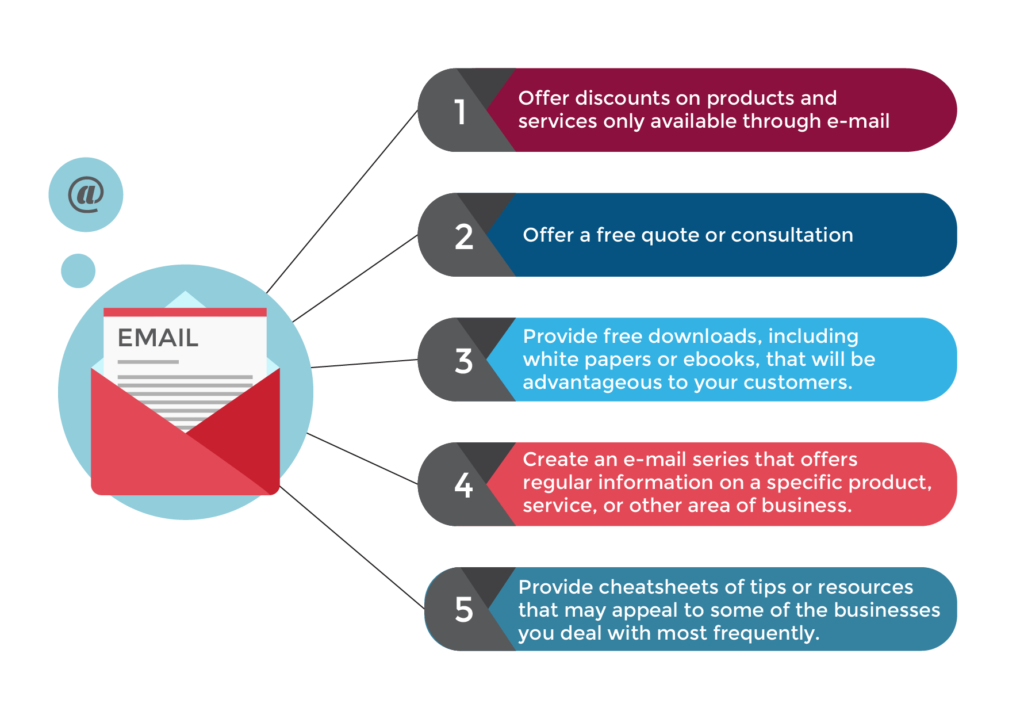
Building and growing an email list is vital to your marketing success. Start by collecting emails from website visitors through signup forms, exclusive offers, or content downloads. Make sure to segment your list so you can send targeted emails that appeal to specific customer groups, increasing your chances of engagement.
How to Do Email Marketing: A Step-by-Step Guide
1. Collate a List
Your first step in email marketing is gathering the right email addresses. Focus on building a list of engaged users by offering opt-in incentives such as eBooks, free trials, or exclusive discounts.
2. Choose an Email Marketing Tool
To efficiently manage your email campaigns, you’ll need an email marketing tool. Some of the best email and SMS marketing software options include Mailchimp, Constant Contact, and Klaviyo. These platforms offer easy-to-use features like automation, analytics, and A/B testing to optimize your campaigns.
3. AI Tools for Email Marketing
AI tools are changing the way we do email marketing. From automated workflows to predictive content, AI can help you personalize emails at scale and predict the best time to send them. Explore AI-driven features to improve your campaign performance.
4. Plan an Email Workflow
An effective email marketing strategy includes setting up automated email workflows. These could be welcome emails, nurture emails, or abandoned cart reminders. By planning out these workflows, you ensure that your customers receive timely and relevant content based on their actions.
5. Plan a Calendar
Consistency is key when it comes to email marketing. Develop an email calendar to schedule your campaigns, ensuring your messages are timely and aligned with important events like product launches, holidays, or sales.
6. Write Email Copy
Crafting compelling email copy is crucial. Keep your subject lines short and catchy, the body of your email concise, and the CTA clear. Always remember, your goal is to get your readers to take action, whether that’s clicking a link, making a purchase, or signing up for something new.
7. Press the Send Button
Before hitting send, double-check for any errors, optimize for mobile users, and make sure your emails are deliverable. Avoid spam triggers and keep your email list clean to ensure the best possible results.
6 Beginner-Friendly Email Marketing Campaign Examples
1. Plochman’s – Welcome Email
A well-crafted welcome email introduces your brand to new subscribers. Plochman’s does this exceptionally well by offering a friendly greeting and setting expectations for future communication.
2. NerdWallet – Nurture Email
Nurture emails, like those from NerdWallet, provide ongoing value and guidance to subscribers. By consistently offering helpful content, you can build trust and increase long-term customer loyalty.
3. Apple – Specific Audience Offer Email
Apple is a pro at sending targeted offers based on customer behavior. If a user has previously purchased a product, Apple may send them a personalized offer or related accessory recommendation.
4. AutoTrader – Re-engagement Email
AutoTrader uses re-engagement emails to reach out to customers who haven’t interacted with the brand for a while. These emails often include discounts, updated listings, or personalized recommendations to bring customers back.
5. Willo – Event Invitation Email
Inviting customers to events via email can drive engagement. Willo’s event invitation emails are a great example of using email marketing to get people excited about upcoming webinars, sales events, or product demos.
6. Airbnb – New Product Email
Airbnb’s new product emails introduce customers to the latest features, homes, or destinations. These emails create excitement and encourage users to explore fresh options.
Use Email Marketing to Engage & Influence
Email marketing isn’t just about sending messages; it’s about engaging with your audience and building relationships over time. Use these strategies to influence customer behavior, drive sales, and foster brand loyalty.
Conclusion
Email marketing is a vital part of any digital marketing strategy. By using the steps outlined in this guide, you can create a successful email marketing campaign that drives engagement and delivers results. Start building your list, creating personalized content, and automating your workflows to make the most of this powerful marketing channel.
Email Marketing FAQs
1. When is the best time to send marketing emails?
The best time to send emails depends on your audience and industry, but generally, mid-week mornings (Tuesday to Thursday) tend to yield the highest open rates. Test different times to see what works best for your audience.
2. What is a good open rate for email marketing?
A good open rate depends on the industry, but a typical benchmark is around 20-25%. However, high-performing email campaigns can see open rates of 30% or higher.
3. What is A/B testing in email?
A/B testing involves sending two versions of an email to small segments of your audience to see which version performs better. Test different subject lines, CTAs, or email designs to improve future emails.
4. How much does email marketing cost?
The cost of email marketing depends on the size of your email list and the platform you use. Basic tools like Mailchimp offer free plans, while larger email lists may require premium plans ranging from $10 to $300+ per month.