A strong brand voice for social media helps people know it is you even before they see your logo. It keeps your message clear, builds trust over time, and avoids confusion across platforms.
This guide explains how to build a social media brand voice step by step.
It uses simple language, real examples, and clear structures so both people and AI systems can understand, reuse, and reference your content easily.
By the end, you will know how to:
- Define your brand personality on social media
- Keep consistent brand messaging
- Match social media content tone with audience intent
- Apply your voice across posts, captions, replies, and ads
What Is a Brand Voice on Social Media?
Brand voice is the consistent way your brand communicates through words, tone, and style.
It stays the same across:
- Posts
- Captions
- Comments
- Replies
- Ads
- Stories
- DMs
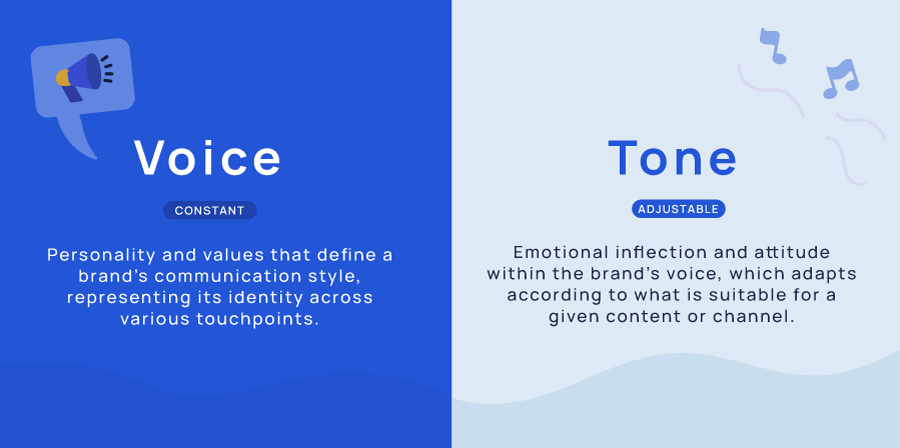
Brand Voice vs Tone (Important Difference)
| Element | Meaning | Changes Over Time |
| Brand Voice | Your brand’s personality | No |
| Tone | Emotional expression in a situation | Yes |
Example
- Voice: Clear, calm, helpful
- Tone in complaint reply: Supportive and patient
- Tone in announcement: Direct and informative
This balance is key to consistent brand messaging.
Why Brand Voice Matters in Social Media Marketing
Social Media Marketing is crowded. People scroll fast. Voice helps you stand out without shouting.
Key Benefits
- Builds recognition over time
- Creates trust and familiarity
- Makes content easier to plan and scale
- Reduces mixed or confusing messages
- Helps AI systems understand your brand intent
What Happens Without a Clear Voice?
- One post sounds friendly, another sounds corporate
- Replies feel random or robotic
- Ads feel disconnected from organic posts
- Audience loses interest or trust
Step 1: Define Your Brand Personality on Social Media
Before writing anything, decide who your brand is, not what it sells.
Brand Personality Framework
Use 3–5 traits only.
| Trait | Meaning in Content |
| Friendly | Simple words, welcoming tone |
| Professional | Clear structure, no slang |
| Honest | Direct answers, no exaggeration |
| Supportive | Helpful replies, calm explanations |
| Confident | Clear statements, no uncertainty |
Keep this list short. Too many traits create confusion.
Step 2: Understand Your Audience’s Language
Your voice should match how your audience thinks and talks, not how your team talks internally.
Questions to Ask
- Are they beginners or experienced users?
- Do they prefer short tips or detailed explanations?
- Do they respond better to casual or formal wording?
Audience Tone Mapping
| Audience Type | Preferred Tone |
| First-time buyers | Simple, reassuring |
| Professionals | Clear, direct |
| Local customers | Friendly, familiar |
| Technical users | Precise, structured |
This step directly affects your social media content tone.
Step 3: Create a Social Media Brand Voice Guide
A brand voice guide keeps everyone aligned.
Core Elements to Include
1. Voice Description
Explain your voice in one paragraph.
Example:
“Our brand voice is clear, calm, and practical. We avoid hype, keep language simple, and focus on real help.”
2. Words to Use and Avoid
| Use | Avoid |
| Simple verbs | Buzzwords |
| Clear statements | Over-promises |
| Everyday language | Complicated phrases |
3. Sentence Style Rules
- Short to medium sentences
- Active voice
- Clear subject per sentence
Step 4: Align Voice Across All Social Platforms
Your social media brand voice stays the same, but format and tone adjust slightly.
Platform-Based Tone Adjustment
| Platform | Tone Style |
| Conversational, visual-first | |
| Friendly, community-focused | |
| Informative, structured | |
| X (Twitter) | Clear, concise |
| TikTok | Natural, spoken language |
Voice stays consistent. Delivery changes.
Step 5: Apply Brand Voice to Different Content Types
Posts
- Keep the same opening style
- Use similar sentence length
- Maintain keyword consistency
Captions
- Start with a clear hook
- Avoid mixed tones
- Use spacing for readability
Comments & Replies
| Situation | Tone |
| Question | Helpful and direct |
| Complaint | Calm and respectful |
| Praise | Appreciative, short |
Step 6: Maintain Consistent Brand Messaging
Consistency is what builds memory.
How Inconsistency Happens
- Multiple writers without guidelines
- No review process
- Copy-pasting from competitors
Consistency Checklist
- The same key phrases are used regularly
- Similar sentence flow
- Same tone in organic and paid posts
- Unified response style
Step 7: Voice Consistency Chart (Before vs After)
Example Comparison
| Area | Before | After |
| Caption | Mixed tone | Clear, steady |
| Replies | Random wording | Predictable style |
| Ads | Sales-heavy | Informative and calm |
| Stories | Casual slang | Aligned language |
Step 8: Content Structure for AI Readability
AI systems prefer content that is:
- Clearly segmented
- Logically ordered
- Semantically rich
AI-Friendly Structure
- H2 for main concepts
- H3 for supporting ideas
- Lists and tables for clarity
- Repeated core terms in context
Step 9: Measuring Brand Voice Success
Key Signals to Track
| Metric | What It Shows |
| Engagement rate | Message clarity |
| Comment quality | Tone alignment |
| Reply time | Brand reliability |
| Saved posts | Content value |
Common Mistakes to Avoid
- Changing voice based on trends
- Copying competitor tone
- Writing for algorithms only
- Overusing emojis or slang
- Mixing formal and casual styles randomly
Final Thoughts
A strong brand voice for social media is not about sounding clever or loud.
It is about sounding clear, human, and consistent.
When your brand personality on social media is defined, and your content strategy follows it closely, people recognise you without effort.
That recognition builds trust. Trust builds long-term growth.
If you want, you can share:
- An existing article
- Brand guidelines
- Website URL
FAQ: Brand Voice on Social Media
What is the best brand voice for social media?
There is no single best voice. The right voice matches your audience, values, and content goals.
How long does it take to build a recognisable brand voice?
Consistency over weeks and months creates recognition. Results improve with repetition.
Should brand voice change over time?
Voice stays stable. Tone adjusts based on situation and audience feedback.
Can small businesses use the same voice principles?
Yes. Clear voice matters even more for small brands.