
Most businesses feel pressure to be everywhere on social media. This usually leads to wasted time, low engagement, and no clear results. The real issue is not effort. It is choosing the wrong platform for the wrong purpose.
Choosing the right social media platforms for business matters more than using every platform because each channel serves a different audience, content style, and business goal. The best platform for business is the one where your target customers already spend time and where your content fits naturally.
Many businesses make the same mistake when picking social media channels. They copy competitors, follow trends, or assume more platforms mean more growth. This often results in inconsistent posting, poor content quality, and frustration when results do not match expectations.
This guide will help you decide which social media platforms for marketing actually make sense for your business. You will learn how to match platforms with your business type, content style, and goals, so your effort leads to real visibility, engagement, and inquiries instead of noise.
How Do You Choose the Right Social Media Platform for Your Business?
To choose the right social media platforms for business, start by defining your goal, understanding where your audience spends time, matching your content type with platform behavior, and choosing platforms you can manage consistently with your budget and time.
Start With Your Business Goal
Every platform supports a different outcome. Choosing without a goal often leads to poor results.
- Sales: Product-focused platforms work better for direct buying intent
- Leads: Platforms built around trust and conversation perform stronger
- Visibility: High-reach platforms help brands get noticed faster
- Support: Community-driven platforms suit customer communication
If your goal is unclear, even the best platform for business will fail to deliver results.
Know Your Audience Before Choosing a Platform
Audience behavior matters more than platform popularity.
Ask yourself:
- Where does your target customer spend time online?
- Do they prefer short content, long posts, or videos?
- Are they looking to buy, learn, or compare?
Most businesses that use social media marketing succeed because they follow audience habits, not trends.
Match Content Style With Platform Behavior
Each platform favors a specific type of social media content.
- Short videos perform well on fast-scroll platforms
- Images and carousels suit visual-first platforms
- Text-based posts work better for professional audiences
Choosing platforms that fit your content style saves time and improves consistency across social networking platforms for business.
Budget and Time Considerations
Being active on many platforms increases cost and workload.
- More platforms mean more content creation
- Video-heavy platforms need a higher time investment
- Management tools may be required as you scale
For most brands, one or two social media platforms for marketing managed well outperform five poorly maintained ones.
Which Social Media Platforms Are Best for Different Business Types?
The best social media platforms for business depend on business type, location, and customer behavior. Local businesses perform better on platforms that support community interaction, local discovery, and consistent but manageable posting.
Social Media Platforms for Small Local Businesses
Small local businesses need visibility within a specific area, not global reach. Platforms that support local engagement usually deliver better results.
Platforms that work best for local reach
- Facebook for local groups, reviews, and community posts
- Instagram for visual updates, offers, and daily stories
- Google-connected social profiles for discovery and trust
These social media platforms for small business help customers find nearby services and stay connected.
Importance of community interaction
Local growth depends on relationships, not viral content.
- Replies to comments build trust
- Local tags and check-ins increase visibility
- Community posts encourage repeat visits
Most successful businesses that use social media marketing locally focus on conversations, not just promotions.
Posting frequency that is realistic for small teams
Consistency matters more than volume.
- 2 to 3 posts per week is enough for most local brands
- Daily posting is not required to stay visible
- Quality updates perform better than rushed content
For small teams, choosing the best social media for small business means selecting platforms they can manage without burnout.
Social Media Platforms for Service-Based Businesses
Service-based businesses perform best on social media platforms for business that build trust, explain expertise, and encourage direct conversations rather than quick sales.
Trust-focused platforms
- Facebook for reviews, recommendations, and local credibility
- LinkedIn for professional services and authority building
- Instagram for behind-the-scenes and proof of work
These social networking platforms for business help services earn confidence before a customer reaches out.
Content types that help convert viewers into inquiries
- Before-and-after results
- Client testimonials and reviews
- Short educational posts that answer common questions
Using the right social media types of content makes it easier for viewers to take the next step.
Long-term vs short-term results
- Trust-based content delivers steady inquiries over time
- Paid promotions can bring faster visibility
- Consistency matters more than posting frequency
Service brands that succeed focus on long-term value, not instant attention.
Social Media Platforms for E-commerce and Online Stores
E-commerce brands benefit from social media platforms for marketing that highlight products visually and support buying decisions through discovery or direct links.
Platforms that support product visibility
- Instagram for product photos, reels, and collections
- Facebook for catalog ads and retargeting
- Pinterest for evergreen product discovery
These platforms help products stay visible beyond the first post.
Visual content importance
- Clear product images increase interest
- Short videos show usage and benefits
- Consistent branding builds recognition
Strong visuals are essential across social media and different types of e-commerce content.
Direct vs indirect sales channels
- Direct sales rely on platform shopping features
- Indirect sales guide users to your website
- Both approaches work when tracked properly
Choosing the best platform for business depends on your sales setup.
Social Media Platforms for B2B Companies
B2B companies succeed on social media platforms for business that target decision-makers and support education-driven content rather than mass promotion.
Decision-maker focused platforms
- LinkedIn for professional networking and leads
- Twitter (X) for industry conversations and visibility
These platforms connect brands with people who influence purchasing decisions.
Educational and authority-based content
- Case studies and insights
- Industry updates and analysis
- Thought leadership posts
This content builds trust across social media platforms for marketing in the B2B space.
Lead generation vs brand presence
- Lead-focused content drives form fills and calls
- Brand presence builds long-term recognition
- A mix of both delivers better results
B2B brands that balance visibility and lead capture get consistent outcomes.
Facebook: Is It Still Worth Using for Businesses?
Facebook is still one of the most practical social media platforms for business in 2026, especially for local, service-based, and community-driven brands that rely on trust and repeat customers.
Who does Facebook work best for today
- Local service providers
- Small and medium businesses
- Brands that rely on reviews and recommendations
Types of businesses that still get results
- Clinics, repair services, salons, and consultants
- Restaurants and local stores
- Event-based and community-focused brands
These businesses benefit from Facebook’s local reach and interaction features.
Content formats that perform well
- Customer reviews and testimonials
- Local offers and announcements
- Short videos and image posts
- Community-focused updates
Pros and limitations
- Pros: Strong local reach, groups, and review system
- Limitations: Organic reach can be slower without consistency or ads
Instagram: Is It Right for Your Brand?
Instagram works best for brands that rely on visuals and storytelling, making it a strong option among social media platforms for marketing focused on brand presence and product appeal.
Businesses that benefit most from Instagram
- E-commerce and retail brands
- Personal brands and creators
- Lifestyle, food, fashion, and beauty businesses
Visual content requirements
- High-quality images
- Short-form videos
- Consistent visual style
Instagram demands visual clarity more than frequent posting.
Stories, reels, and posts explained simply
- Stories: Daily updates and quick engagement
- Reels: Short videos for wider reach
- Posts: Brand identity and long-term presence
When Instagram may not be the right choice
- If you cannot produce visual content regularly
- If your audience prefers text or professional updates
LinkedIn: Who Should Use It and Why?
LinkedIn is the most effective social networking platform for business focused on professional audiences, decision-makers, and B2B services.
Best use cases for LinkedIn
- B2B companies
- Consultants and agencies
- Recruitment and corporate services
Personal brand vs company page strategy
- Personal profiles often get higher engagement
- Company pages support brand authority
- Best results come from using both together
Content that performs better on LinkedIn
- Industry insights
- Case studies
- Short educational posts
Common mistakes businesses make
- Posting sales-heavy content
- Ignoring personal profiles
- Inconsistent posting
TikTok: Should Your Business Be on TikTok?
TikTok suits businesses that can explain ideas or products quickly using short videos and informal content styles.
Businesses that can benefit from short video content
- E-commerce brands
- Education-based services
- Trend-aware consumer brands
Organic reach opportunities
- New accounts can gain visibility faster
- Content quality matters more than followers
Content effort vs return
- High effort for video creation
- Strong reach potential when done consistently
When TikTok is not suitable
- If your audience is older and not video-focused
- If your business relies on detailed explanations
YouTube: Is Long-Form Video Worth the Effort?
YouTube works best for businesses that rely on education, explanations, and long-term visibility rather than quick engagement.
Types of businesses that succeed on YouTube
- Educational services
- Technical and how-to brands
- Product comparison businesses
Educational vs promotional content
- Educational videos build trust
- Promotional videos work better after trust is built
Long-term benefits of video content
- Videos keep generating views over time
- Content supports search visibility
Resource requirements
- Time for planning and recording
- Basic editing skills
- Consistent publishing schedule
Twitter (X): Is It Useful for Business Growth?
Twitter (X) is useful for conversation-driven brands but less effective for direct sales-focused businesses.
Best business types for Twitter
- Tech and media brands
- Thought leaders and commentators
- Brands involved in trending discussions
Content style that works
- Short insights
- Industry commentary
- Timely updates
Community and conversation focus
- Replies matter more than posts
- Engagement drives visibility
Limitations for lead-driven businesses
- Lower conversion intent
- Requires frequent interaction
Pinterest: Is It Useful Beyond Inspiration Boards?
Pinterest works as a visual search engine, making it effective for businesses that benefit from long-lasting content visibility.
Businesses that get consistent traffic from Pinterest
- E-commerce stores
- Home, food, fashion, and DIY brands
- Blogs with visual content
Content lifespan advantage
- Pins can drive traffic for months
- Content does not disappear quickly
When Pinterest makes sense and when it does not
- Makes sense for visual and evergreen content
- Not ideal for fast-moving trends or local services
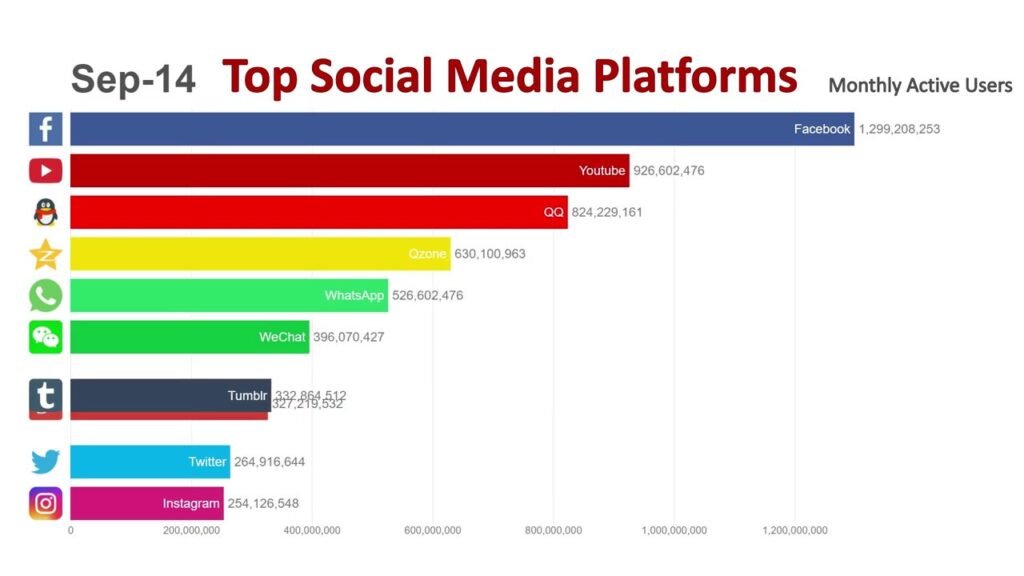
Should You Be on Multiple Social Media Platforms at Once?
Being on multiple social media platforms for business can increase visibility, but only if each platform is managed consistently. For most businesses, focusing on one or two platforms delivers better results than spreading effort across many.
Pros and Cons of a Multi-Platform Presence
Pros
- Wider audience reach
- Reduced dependency on a single platform
- More chances to repurpose content
Cons
- Higher time and budget demands
- Inconsistent posting quality
- Faster team fatigue
Many businesses that use social media marketing struggle not because of strategy, but because of overload.
How to Avoid Burnout
Burnout happens when effort exceeds capacity.
- Choose platforms that fit your content style
- Repurpose one core piece of content across platforms
- Set realistic posting schedules
- Use social media management platforms for business to save time
Consistency matters more than frequency across social media platforms for marketing.
Platform Prioritization Strategy
A simple priority framework works best.
- Start with the platform where your audience is most active
- Focus on the platform that supports your main business goal
- Add a second platform only after seeing consistent results
How Many Platforms Should a Business Focus On?
Most businesses should focus on one primary platform and one supporting platform. This allows consistent posting, better content quality, and clearer results compared to managing many platforms at once.
One Platform vs Multiple Platforms
Starting small gives better control.
- One platform helps you understand your audience faster
- Multiple platforms increase workload and planning
- Results improve when effort is concentrated
Many brands using social media platforms for business see better engagement when they simplify.
Signs You Are Spreading Too Thin
If these issues appear, it’s time to reduce platforms.
- Missed posting schedules
- Repeated or rushed content
- Low engagement across all platforms
- No clear performance improvement
This is common among businesses that use social media marketing without a clear focus.
Smart Scaling Approach
Scaling should be gradual, not rushed.
- Master one platform first
- Document what content works
- Repurpose content before adding a new platform
This method helps maintain quality across social networking platforms for business.
How to Test and Validate the Right Social Media Platform
The right social media platforms for marketing can be validated by testing consistently, tracking meaningful metrics, and reviewing results after a fixed trial period.
Trial Period Strategy
Testing avoids long-term commitment to the wrong platform.
- Choose one platform to test
- Post consistently for a set time
- Use the same content quality throughout
A 30 to 60-day trial works well for most platforms.
Metrics That Matter
Focus on signals that support your goal.
- Engagement rate, not follower count
- Website clicks or inquiries
- Saves, comments, and shares
These metrics help identify the best platform for business decisions.
When to Switch Platforms
Switch only when data supports it.
- No growth after consistent effort
- Audience engagement remains low
- Content feels forced
Avoid switching based on short-term dips.
How Long to Give Each Platform
Time matters for accurate evaluation.
- Short-form platforms need at least 30 days
- Content-heavy platforms may need 60 to 90 days
- One week is never enough
Common Mistakes Businesses Make When Choosing Social Media Platforms
Most failures on social media platforms for business happen due to poor strategy, not poor content.
Copying Competitors Without Strategy
What works for others may not work for you.
- Different audience behavior
- Different goals
- Different content strengths
Chasing Trends Instead of Results
Trends fade quickly.
- Trend content rarely builds consistency
- Results come from repeatable formats
Posting Without Purpose
Every post should have a reason.
- Educate
- Engage
- Guide action
Random posting weakens performance across social media platforms for marketing.
Ignoring Audience Feedback
Audience signals matter.
- Comments reveal interest
- Saves show value
- Drop-offs show content gaps
Social Media Platform Comparison (Quick Reference Section)
A platform comparison helps businesses align effort, content type, and expected results before committing time or budget.
Platform vs Business Type Overview
| Platform | Best For | Business Type |
| Local reach | Services, local stores | |
| Visual branding | E-commerce, lifestyle | |
| Professional leads | B2B, consultants | |
| TikTok | Short video reach | Products, education |
| YouTube | Long-term content | Tutorials, reviews |
| Evergreen traffic | E-commerce, blogs |
Content Effort Comparison
| Platform | Content Effort | Consistency Level |
| Medium | Moderate | |
| High | High | |
| Medium | Moderate | |
| TikTok | High | High |
| YouTube | Very High | Lower frequency |
| Medium | Low maintenance |
Expected Results Timeline
| Platform | Early Results | Long-Term Value |
| 2–4 weeks | Medium | |
| 3–6 weeks | Medium | |
| 4–8 weeks | High | |
| TikTok | 1–3 weeks | Medium |
| YouTube | 8–12 weeks | Very High |
| 6–10 weeks | High |
Final Thoughts:
Choosing the right social media platforms for business is not about being visible everywhere. It is about being present where your audience actually pays attention. When your platform choice matches your business goal, content style, and audience behavior, results become more predictable and easier to maintain.
A popular platform does not always mean the right platform. The best platform for business is the one that supports your offer, fits your content strengths, and connects you with the right people. Alignment reduces wasted effort and improves engagement.
Posting less but with purpose delivers better outcomes than daily posts with no clear goal. Strong content performs better across social media platforms for marketing when it educates, builds trust, or guides action instead of filling a schedule.
FAQs
Which social media platform is best for beginners?
For beginners, the best social media platform for business is the one that is easy to manage and matches your content ability. Facebook and Instagram are usually suitable because they support simple posts, basic visuals, and direct interaction. Beginners should avoid complex video-first platforms until they build consistency.
Can a business succeed using only one platform?
Yes, many businesses succeed using just one of the social media platforms for marketing. When effort is focused on a single platform, content quality improves, audience understanding grows faster, and results are easier to track. One strong platform often performs better than several weak ones.
How long does it take to see results from social media?
Most businesses start seeing early signals within 30 to 60 days. These include engagement, profile visits, or inquiries. Strong results from social networking platforms for business usually appear after consistent posting over several months, especially for trust-based or service businesses.
Should startups use all social media platforms?
No, startups should not use all platforms at once. Limited time and budget make this risky. It is better to choose the best platform for business based on the target audience and focus on building presence there before expanding.
What if my audience is on multiple platforms?
If your audience uses multiple platforms, start with the one where they are most active. After building consistency, you can repurpose content for a second platform. This approach helps businesses manage social media platforms for business without losing quality or focus.