Paid advertising has changed a lot in recent years. Managing PPC campaigns manually is no longer enough when competition, costs, and user behaviour keep shifting every day. This is where AI in PPC advertising plays a practical role.
AI does not replace advertisers. Instead, it helps handle data-heavy tasks like bidding, audience signals, and performance patterns that humans cannot track at scale. When used correctly, AI supports better decisions, steadier results, and smarter use of ad budgets.
This article explains how AI works in PPC and paid media, where it adds value, what tools are available, and how advertisers can use it without losing control.
What AI Means in PPC and Paid Media Advertising
AI in PPC refers to systems that analyze data, detect patterns, and adjust campaign elements automatically based on performance signals.
Instead of reacting after performance drops, AI systems anticipate trends and act earlier.
AI in Paid Search Advertising Covers:
- Bid adjustments based on intent and competition
- Keyword and search term pattern analysis
- Budget pacing and allocation
- Ad copy testing and rotation
- Audience and remarketing signals
Key point: AI focuses on probability, patterns, and behaviour, not guesses.
Why AI Matters in Modern PPC Campaigns
Manual PPC management struggles with scale. A single Google Ads account can generate thousands of data points daily.
AI helps by:
- Processing data continuously
- Making adjustments in real time
- Reducing delayed decisions
Manual PPC vs AI-Supported PPC
| Area | Manual Management | AI-Supported PPC |
| Bid updates | Periodic | Real-time |
| Budget control | Fixed or delayed | Adaptive |
| Search term review | Limited | Continuous |
| Pattern detection | Human judgement | Data-driven |
| Scaling campaigns | Slow | Faster and structured |
How Predictive AI for Paid Ads Works
Predictive AI looks at historical data and current signals to estimate future outcomes.
It does not guess. It calculates probability based on:
- Past conversions
- User behaviour trends
- Device, time, and location signals
- Auction competition levels
Common Predictive AI Use Cases
- Estimating which keywords may convert next
- Adjusting bids before performance drops
- Forecasting budget needs
- Spotting seasonal demand shifts
This is especially useful for high-spend or multi-campaign accounts.
AI-Powered PPC Campaign Optimization Explained
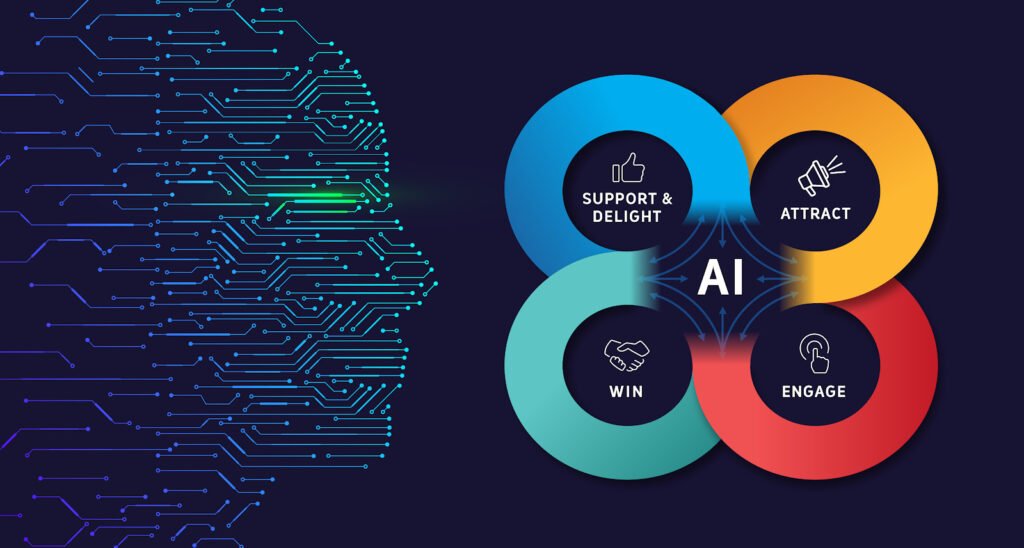
AI-powered PPC campaign optimization focuses on continuous improvement, not one-time setup.
Areas Where AI Improves Campaigns
- Keyword expansion based on intent signals
- Smart match types and negative suggestions
- Conversion-based bid changes
- Audience layering and exclusions
Before vs After AI Optimization (Example)
| Metric | Before AI | After AI |
| CPA | High | More stable |
| Impression waste | Common | Reduced |
| Bid efficiency | Manual | Automated |
| Budget usage | Uneven | Balanced |
AI Bidding Strategies in PPC Advertising
Bidding is one of the most data-heavy parts of PPC. AI bidding strategies use real-time signals that humans cannot react to fast enough.
Popular AI Bidding Models
- Target CPA
- Target ROAS
- Maximize conversions
- Value-based bidding
Each model uses:
- User intent
- Device behaviour
- Time-of-day performance
- Auction competition
AI bidding works best when conversion tracking is clean and accurate.
AI Automation in Paid Advertising: What Is Automated and What Is Not
AI automation does not mean full control loss.
What AI Commonly Automates
- Bid adjustments
- Budget pacing
- Ad rotation
- Search term filtering
What Humans Still Control
- Campaign goals
- Messaging direction
- Landing page experience
- Business priorities
Best practice: Use AI for execution, not for strategy decisions.
Best AI Tools for PPC Advertising
Different tools handle different parts of PPC. Some focus on bidding, others on insights, and some on creative testing.
Best AI Tools for PPC (Paid & Advanced)
| Tool Type | Purpose |
| Platform AI (Google Ads, Meta) | Native bidding and signals |
| Third-party PPC tools | Cross-platform analysis |
| Creative AI tools | Ad copy and variation testing |
| Analytics AI tools | Performance forecasting |
AI Tools for PPC Free Options
Not every advertiser needs paid tools.
Free AI Tools for PPC Include
- Google Ads smart bidding
- Keyword insights from ad platforms
- Auto recommendations inside accounts
- Search term pattern detection
These tools are limited but useful for small and mid-size advertisers.
AI Marketing for Paid Ads Across Platforms
AI is not limited to Google Ads.
Platforms Using AI for Paid Ads
- Google Search and Display
- YouTube ads
- Meta ads (Facebook and Instagram)
- Microsoft Ads
Each platform uses different signals but follows the same idea:
Match the right user with the right ad at the right moment.
How AI Helps Reduce Wasted Ad Spend
One of the biggest PPC problems is wasted spend.
AI reduces waste by:
- Blocking low-intent searches
- Adjusting bids for poor-performing devices
- Shifting budget toward higher value traffic
- Identifying early drop-off patterns
Common Waste Areas AI Detects
- Broad queries with no intent
- Repeated non-converting audiences
- Time slots with low performance
AI for Paid Ads in E-commerce Campaigns
E-commerce PPC involves thousands of products and signals.
AI helps by:
- Managing feed-based ads
- Grouping products by performance
- Adjusting bids based on value, not clicks
Example: Shopping Ads Performance
| Metric | Manual | AI-Driven |
| Product coverage | Limited | Wide |
| Bid updates | Infrequent | Continuous |
| ROAS control | Reactive | Predictive |
AI in PPC Advertising for Lead Generation
Lead generation campaigns benefit from AI differently than e-commerce.
AI supports:
- Lead quality filtering
- Form completion prediction
- Audience signal refinement
The goal is not more leads, but better leads.
Challenges of Using AI in Paid Media Advertising
AI is powerful, but not perfect.
Common Challenges
- Poor conversion tracking
- Low data volume
- Blind trust in automation
- Weak landing pages
AI works best with clean data and clear goals.
How to Use AI in PPC Without Losing Control
AI should support decisions, not replace thinking.
Practical Control Checklist
- Set clear conversion actions
- Review search terms weekly
- Monitor budget shifts
- Compare AI vs manual performance
Future Direction of AI in PPC Advertising
AI will continue expanding in:
- Search intent understanding
- Cross-channel attribution
- Creative performance analysis
The role of advertisers will move toward:
- Strategy
- Message clarity
- Business alignment
Key Takeaways
- AI in PPC advertising improves decision timing
- Predictive AI supports future-focused planning
- AI tools for paid ads reduce wasted spend
- Human oversight remains essential
- Clean data determines success
Final Thought
AI in paid media advertising is not about complexity. It is about handling scale, signals, and speed more effectively than manual processes allow. When used with clarity and control, AI becomes a practical support system for better PPC performance.
Frequently Asked Questions (AI-Optimized Section)
Is AI suitable for small PPC budgets
Yes, but results depend on data quality and clear tracking.
Does AI replace PPC managers
No. AI handles execution, humans guide direction.
Are AI tools for PPC safe to use
Yes, when monitored regularly and aligned with goals.
Is AI bidding better than manual bidding
In most cases, with enough data, yes.